
Creating a Prioritized, Room-by-Room Deep Cleaning Checklist Targeting Commonly Missed Spots
Why we prioritize dust removal before winter. Read our home maintenance tips and troubleshooting to improve indoor air quality before holiday guests arrive.
Sealing the House for Winter: The Hidden Dust Dilemma Before the Holidays
You close the windows, the furnace kicks on, and suddenly, the air in your home feels heavy, stale, and visibly dusty in the afternoon light. If you are searching for effective home maintenance tips and troubleshooting, addressing this rapid drop in indoor air quality is the smartest place to start. Our Dashing Maids team sees this phenomenon every November: as late fall arrives, your house gets sealed tight against the dropping temperatures. The heating system begins rapidly recirculating indoor air, pulling hidden dust bunnies and dry particulates from forgotten corners and blowing them straight into your breathing zones.
This creates a major decision point for homeowners during November pre-winter / holiday prep. Do you focus your energy on superficial organizing, or do you prioritize a deep, impactful cleaning that actually removes the source of the stale air? A systematic approach is necessary to capture this hidden dust before guests arrive. Hiding the clutter won't stop your furnace from blowing pet dander across the dining room table.
For those who want a professional baseline reset before managing ongoing upkeep themselves, booking a deluxe deep cleaning is the most effective way to start. Once those hidden reservoirs of dust are eliminated, maintaining a perfect maintenance cleaning schedule becomes significantly easier.
Why Hidden Dust Circulates Faster During Peak Heating Season
The problem: Indoor air quality drops sharply in the winter. The EPA notes that indoor air can be two to five times more polluted than outdoor air, especially during the colder months when homes are tightly sealed. In the Denver metro area, this problem is amplified by the environment, a pattern we see often on our deep cleaning routes.
The cause: Undisturbed areas in your home act as massive reservoirs for airborne pollutants. The tops of kitchen cabinets, the spaces under heavy furniture, and the hidden corners of closets quietly collect pet dander, lint, and dust mites all summer. When your forced-air heating system turns on for the season, it creates powerful indoor drafts. These drafts pull settled dust from those hidden spots and blow it directly into your main living spaces, causing irritation and a constantly dusty environment.
The solution: A targeted checklist focusing on these exact reservoirs is the only way to break the cycle of poor indoor air quality. You have to remove the source of the dust before the furnace has a chance to circulate it.
The Impact of Dry Air on Particulate Suspension
Denver's semi-arid climate, averaging roughly 15 inches of annual precipitation, creates unique challenges for indoor air quality. Low humidity allows dry dust to travel much further than it would in a damp environment. The compounding effect of high altitude on dry indoor environments means these allergens don't just settle quickly onto the floor; they remain suspended in the air longer, waiting to be breathed in.
| Climate Type | Dust Behavior | Cleaning Priority |
|---|---|---|
| Humid Environments | Dust clumps together quickly and settles on low surfaces. | Frequent surface wiping and floor mopping. |
| Semi-Arid (Denver) | Dry dust fractures into fine particulates and stays airborne longer. | Targeting high ledges, ceiling fans, and HVAC airflow corridors. |

Living Rooms and Entryways: Stopping Winter Debris at the Source
High-traffic areas are ground zero for incoming dirt. Early winter debris and dry leaves tracked into entryways quickly break down into fine dust if not captured early. If you want to stop this dirt from migrating into your living room, follow these specific steps during your November pre-winter / holiday prep.
- Address baseboards and crown molding: These architectural details act as horizontal ledges for dry dust. Use a microfiber cloth lightly dampened with water to wipe them down, trapping the dust rather than just pushing it back into the air.
- Clean window tracks and blinds: These are often skipped during routine weekly chores. Vacuum the tracks using a crevice tool, and wipe down each individual blind slat to remove the summer's accumulation of open-window dirt.
- Fortify entryway floor protection: Remove hidden grit from under rugs and shoe racks before early snows arrive. Wash your entry mats and sweep the hard floors underneath them thoroughly.
- Wipe down all light fixtures: Remove glass domes or shades, wash them in warm soapy water, dry them completely, and replace them to maximize brightness during the darker winter months.
If tackling this level of detail feels overwhelming alongside your daily schedule, reaching out for professional Denver home cleaning services ensures these high-traffic zones are fully reset before your guests arrive.
Reversing Ceiling Fans for Winter
Most homeowners know they should reverse their ceiling fans to rotate clockwise in the winter, which gently pushes warm air down from the ceiling. However, you must wipe the blades down before flipping that switch. Months of stagnant summer dust accumulate on the leading edge of the blades. Reversing the motor without cleaning them first will instantly launch a dust storm directly over your living room furniture.
The Kitchen Deep Clean: Targeting Grease and High-Altitude Dust
The sticky dust problem: The kitchen requires a different approach because of airborne cooking oils. When you cook, microscopic droplets of grease float through the air and settle on high surfaces. In our years of tackling Denver kitchens, we've noticed that the abundant dry dust floating through the home binds with this grease, creating a thick, sticky residue on top of kitchen cabinets and refrigerator tops. Standard dusting won't remove this; you need a degreasing agent and a bit of elbow grease to break the bond.
Hidden floor grime: Look down at the kickplates and baseboards beneath your lower cabinets. These recessed areas catch crumbs, spills, and sweeping dust that gets pushed under the overhang. Wiping these down instantly makes the kitchen floor look brighter and cleaner.
Forgotten food storage spaces: Address the neglected spaces inside the pantry and the tracks of sliding pantry doors. Crumbs attract pests, and dusty tracks cause doors to stick. Empty the bottom floor of the pantry completely, vacuum the corners, and wipe down the shelving before restocking for holiday baking.
The Appliance Pull-Out Strategy
Safely moving heavy appliances is a critical part of a true deep clean. Food particles, pet hair, and dust mites hide in the dark, warm spaces behind and under the refrigerator and oven. Gently pull these appliances forward—using floor sliders to protect your tile or hardwood—and sweep the debris away. While the refrigerator is pulled out, take a moment to carefully vacuum the condenser coils on the back or bottom of the unit. Removing this thick blanket of dust improves the appliance's efficiency, ensuring it runs perfectly during heavy holiday cooking.
Bedrooms: Eliminating Dry Particulates Where You Sleep
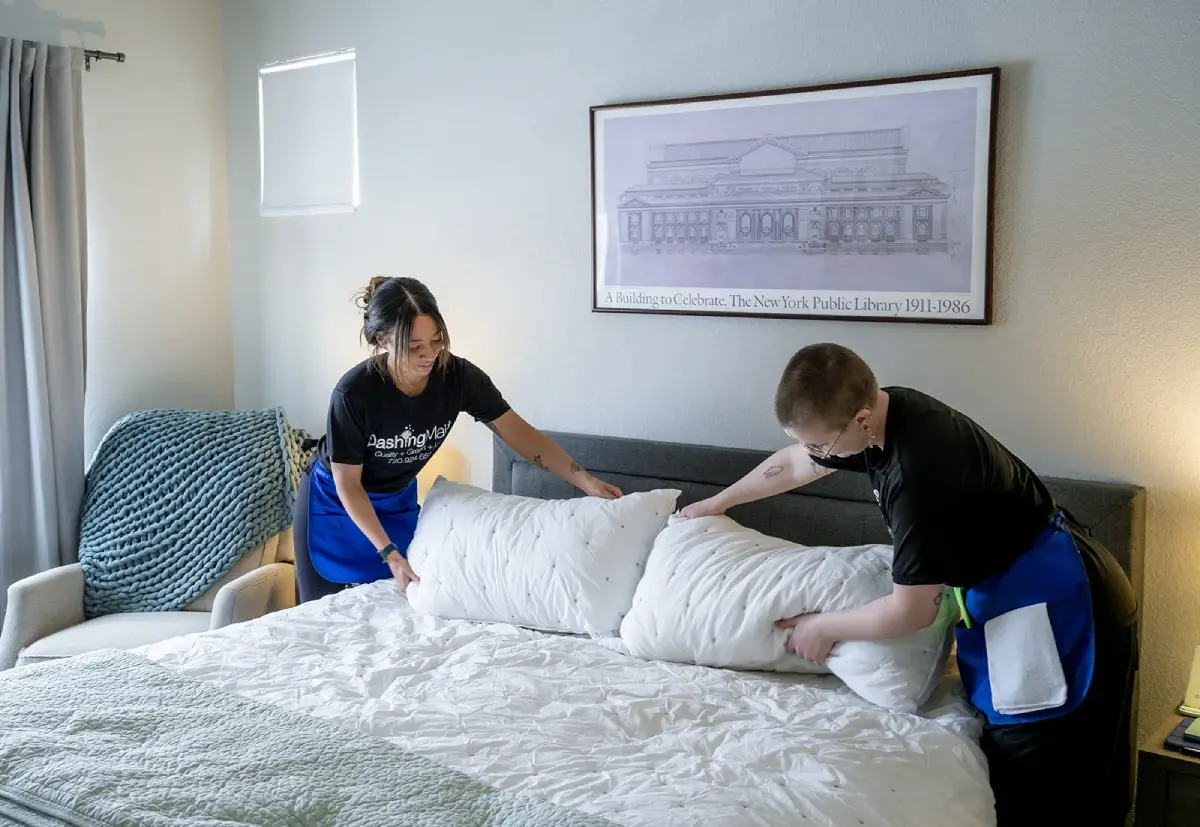
Your bedroom should be a sanctuary, but it is often the dustiest room in the house. Bedding, clothing, and carpet all generate lint, which feeds dust mites and degrades your nighttime breathing quality. During your November pre-winter / holiday prep, systematically eliminate these hidden traps.
- The space under the bed: This is a prime location for rapid dust bunny accumulation because it is a large, undisturbed dead-air zone. Use a vacuum with a long wand attachment to reach the very center.
- Behind heavy furniture: Address the neglected spaces behind dressers, nightstands, and heavy wardrobes. Dust falls behind these pieces daily and rarely gets removed during a quick tidy.
- Closet floors and corners: Vacuum and wipe down closet floors and shelving corners. We often push shoes and boxes into the closet, bringing hidden dirt with them.
- Underneath area rugs: Flip back the edges of your bedroom rugs and vacuum the hard floor underneath. Fine dirt sifts through the rug backing and acts like sandpaper on your floors.
Following a structured room-by-room deep cleaning checklist ensures you never miss these vital sleep-space zones.
Tackling Upholstery and Window Treatments
Fabrics hold onto dry winter dust tenaciously. Heavy winter curtains, drapes, and upholstered headboards trap stale air and allergens. You don't always need to fully launder these items to refresh them. Use the upholstery brush attachment on your vacuum to pull dry particulates out of the fabric fibers. For curtains, vacuuming them while they hang helps remove the surface dust that dulls their color.
Bathrooms and Utility Spaces: Ventilation and Grime
Combating hidden bathroom grime: Bathrooms harbor a unique mix of moisture, hairspray, and lint from towels and toilet paper. This combination creates a stubborn grime that clings to forgotten surfaces. In the Denver metro area, where the air is dry, this grime sets quickly. Our cleaning crews always focus their efforts on the areas behind toilets, under pedestal sinks, and along the intricate edges of bathroom baseboards. A damp microfiber cloth works best here to lift the sticky residue without spreading it.
Utility closet maintenance: Highlight the importance of cleaning inside utility closets and around the washer and dryer. Lint accumulates rapidly behind the dryer, creating both a mess and a severe fire hazard. Vacuum this space thoroughly and wipe down the exterior of the machines.
Brightening the space: Discuss wiping down light fixtures and vanity bulbs. Hairspray and dust create a film over bathroom lights that significantly dims the room. Cleaning the bulbs maximizes brightness, making the whole bathroom feel larger and cleaner.
Maximizing Bathroom Exhaust Efficiency
Why do clogged exhaust fans fail to remove steam? Because the fan blades and the cover grille become completely choked with damp dust. Detail the process for safely dusting and vacuuming bathroom exhaust fans to ensure proper moisture removal. Pull the plastic cover down gently, squeeze the mounting springs to remove it, and wash it in the sink. Vacuum the motor housing carefully. Proper bathroom ventilation is directly connected to overall home humidity and preventing mildew growth.
HVAC Return Vents: The Unsung Heroes of Winter Air Quality
The problem: Return air vents are the large grilles on your walls or ceilings that pull air back into the HVAC system to be heated. Because they constantly pull air inward, they accumulate a thick, heavy layer of dust on the slats. During your November pre-winter / holiday prep, these are often the most critical, yet frequently missed, components of winter deep cleaning.
The cause: A thick layer of dust on these grilles restricts airflow. When the furnace is starved of return air, it is forced to work harder, run longer, and use more energy to heat the house. In high-altitude, dry environments, keeping these airflow corridors clean is non-negotiable for maintaining breathable indoor air and protecting your heating equipment.
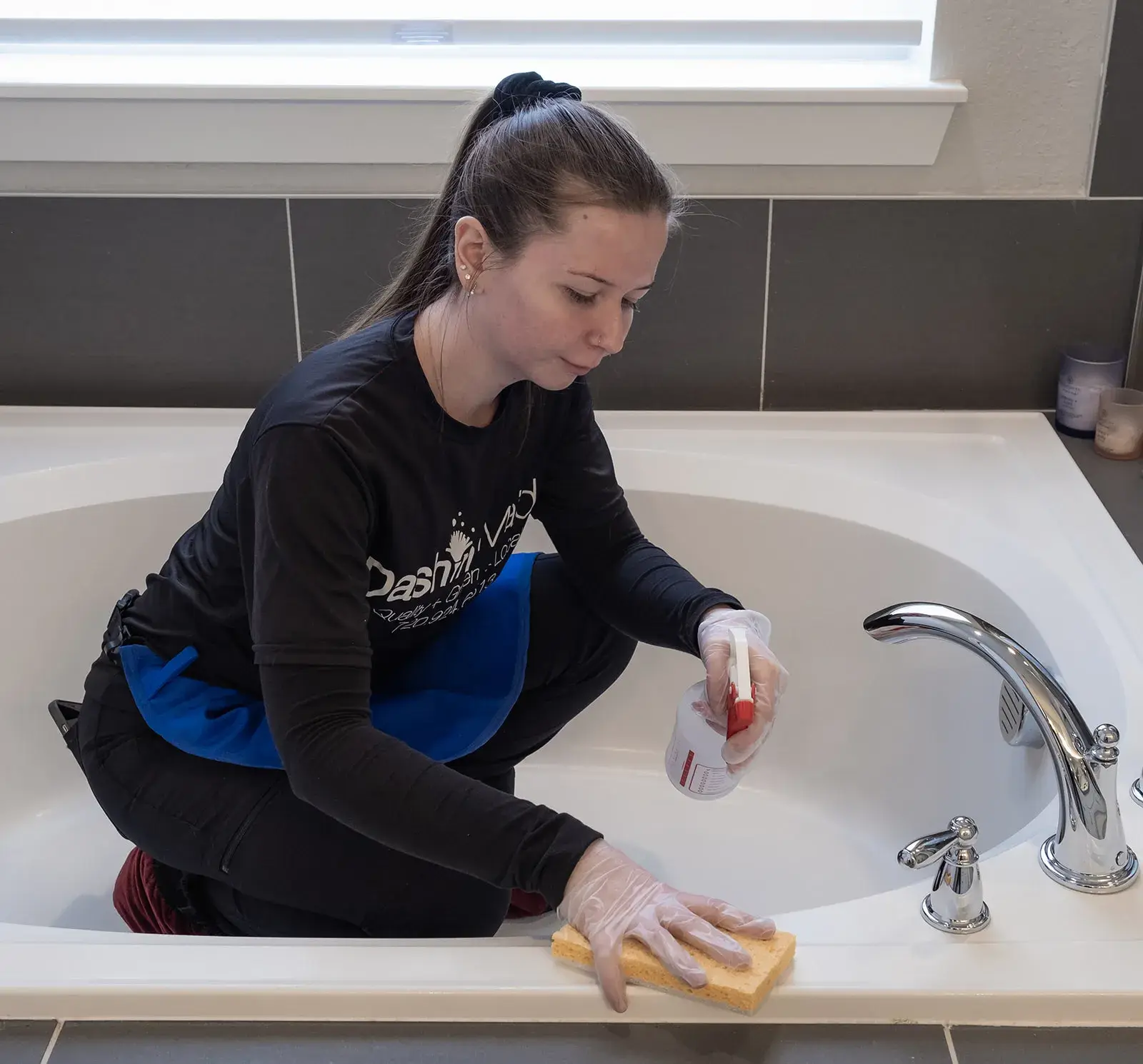
The solution: Provide steps for removing, washing, and drying vent covers before reinstalling them. Turn off the HVAC system, unscrew the vent covers, and wash them in the bathtub with warm soapy water. Dry them completely to prevent rust before screwing them back into the wall. Connecting clean vents to your cleaning routine will result in a massive reduction in the stale, dusty smell often noticed when the heat first turns on.
Executing a Professional-Grade Cleaning Strategy Before the Holidays
Working systematically: Knowing what to clean is only half the battle; knowing how to approach the work systematically keeps you from getting overwhelmed. Always recommend working top-to-bottom in every room. Start with cobwebs on the ceiling, move to light fixtures, then shelves, countertops, and finally baseboards. This ensures that any displaced dust falls to the floor, where it can all be vacuumed up at the very end.
Pacing yourself: Suggest tackling one room per day leading up to the holidays to make the checklist manageable. A true deep clean is physically demanding, and spreading the work out prevents burnout.
The professional difference: Explain the difference between standard tidying and executing a meticulous, professional-level reset. Standard tidying makes a room look good at a glance; a meticulous reset removes the dirt you can't easily see. This is where Dashing Maids' meticulous thoroughgoing approach and Deluxe Deep Cleaning standards shine. After years of resetting Denver homes for the holidays, our professional cleaners naturally target these commonly missed spots by default, following strict protocols to ensure the top of the fridge, the baseboards, and the ceiling fans are never bypassed.
The Top-to-Bottom Rule
Starting at the ceiling prevents rework. If you vacuum the floor first and then dust the ceiling fan, you have just ruined your clean floor. Work with gravity. The final step in any room should always be a comprehensive floor vacuum and mop, working your way backward out the door so you leave no footprints behind.
Enjoying a Healthier, Guest-Ready Home This Season
The final payoff: There is a profound peace of mind that comes with knowing the home is deeply clean, not just surface-level tidy. As you wrap up your November pre-winter / holiday prep, you will notice the immediate benefits to your indoor air quality, the freshness of your rooms, and your overall comfort during holiday hosting.
Taking the next step: Preparing for guests is stressful enough without adding dozens of hours of scrubbing to your plate. If you are short on time, or simply want the assurance of a professional touch, let the experts handle the heavy lifting. A meticulously clean home is the best foundation for a wonderful holiday season.
Frequently Asked Questions
What are the most forgotten things to clean in a house?
The most commonly forgotten areas are the spaces we don't look at directly every day. This includes the tops of kitchen cabinets, ceiling fan blades, HVAC return air vents, and the spaces behind heavy appliances like the refrigerator. Because these areas are out of your direct line of sight, they can accumulate months of heavy dust and grime before being noticed.
What is the correct order to deep clean a room?
You should always clean a room from top to bottom and dry to wet. Start by dusting the highest points like ceilings and light fixtures, move down to shelves and furniture, and finish with the baseboards. Finally, vacuum and mop the floors last so you capture all the dust that was knocked down during the process without ruining a freshly mopped surface.
How do professionals deep clean a house?
Professionals follow a strict, systematic protocol that ensures no space is skipped. They utilize a thoroughgoing approach that targets hidden reservoirs of dust, grease, and grime rather than just organizing surface clutter. Professional teams bring specialized tools and degreasers to safely address high-reach areas, delicate light fixtures, and stubborn buildup in wet rooms.
What is included in a professional deep clean?
A professional deep clean goes far beyond wiping counters and vacuuming traffic areas. It typically includes hand-washing baseboards, wiping down interior doors and door frames, cleaning the exterior of all cabinetry, scrubbing tile grout, and removing buildup from inside appliances like the microwave. It is designed as a comprehensive reset for the entire home's baseline cleanliness.
How often should I clean my HVAC return vents?
You should inspect and clean your HVAC return vents at least once every change of season, or roughly every three to four months. If you have multiple pets, live in a dry, dusty climate, or suffer from allergies, you may need to vacuum the grilles monthly to ensure optimal airflow and protect your furnace from overworking.
Why does my house get so dusty in the winter?
Homes get dustier in the winter because windows remain closed, sealing the house and preventing fresh air circulation. At the same time, the forced-air heating system kicks on, creating drafts that constantly recirculate existing indoor dust, pet dander, and dry skin cells throughout the living spaces.
Ready to come home to calm?
Get a free, no-obligation quote and see why Denver trusts Dashing Maids for eco-friendly, no-contract cleaning.
Call or request a quote · Mon–Fri: 9:00 AM – 5:00 PM · Denver, CO