
Targeting Commonly Missed Spots: A Prioritized Room-by-Room Deep Cleaning Checklist
Sealing your house for winter traps dust. See why we focus on specific home maintenance tips and troubleshooting to improve air quality before hosting guests.
Sealing Up for Winter: Why Hidden Dust Demands Attention Before the Holidays
The first hard freeze of November changes the way your house breathes, often leaving homeowners searching for effective home maintenance tips and troubleshooting to keep their indoor air feeling fresh. As windows are locked tight against the cold and the furnace kicks on for the season, the airflow dynamics inside your living spaces shift dramatically. In our years of preparing Denver homes for the holidays, our team at Dashing Maids consistently notices that a home sealed up for winter heating essentially becomes a closed loop, continuously recirculating whatever particles are trapped inside right before the heavy foot traffic of Thanksgiving and holiday hosting begins.
During the warmer months, open windows and natural cross-breezes help dilute indoor pollutants. However, as we enter the November pre-holiday and primary heating season, typical surface-level wiping is no longer sufficient. Standard chores might leave your countertops gleaming, but they completely ignore the hidden dust reserves resting on upper door frames, behind heavy furniture, and inside ventilation tracks. When the forced-air heating system activates, it acts as a powerful distribution network, picking up these forgotten allergens and blowing them directly into the air you and your guests breathe.
This creates a critical decision point for anyone preparing to host gatherings: you must prioritize specific, high-impact deep cleaning tasks now to ensure a comfortable, guest-ready environment. Haphazard spot cleaning will only temporarily mask the issue. Instead, a methodical, room-by-room approach is required to permanently remove these hidden reservoirs of dust and dander before the deep winter freeze sets in. For homeowners who want to guarantee every hidden corner is addressed without losing days to exhausting labor, partnering with professional cleaning services provides a strategic advantage, ensuring your home is thoroughly prepped for the season.
The High-Low Methodology: Structuring Your Deep Clean
When our crews arrive at a property, we do not simply walk into a room and start wiping the nearest surface. To achieve a comprehensive clean without creating twice the work, you need a structured methodology. The golden rule of effective home detailing is simple: gravity is the enemy of a clean floor. A pattern we see often is homeowners spending an hour meticulously scrubbing baseboards and vacuuming carpets, only to dust the ceiling fan directly afterward, which immediately ruins those freshly cleaned lower surfaces. Structuring your approach prevents this frustrating cycle of re-soiling.
To execute this properly, a strict top-to-bottom sequence is non-negotiable. Here is how to systematically break down a room:
- Address the High Zones First: Begin with the areas above eye level. This includes crown molding, the tops of window frames, upper cabinet ledges, and ceiling fixtures. Any debris dislodged here will naturally fall to the surfaces below, which is exactly what you want at this stage.
- Execute Dry Dusting Before Wet Cleaning: Never introduce liquid cleaners to a dusty surface. Spraying a multi-purpose cleaner directly onto a thick layer of dust creates a muddy, smeared residue that is incredibly difficult to remove. Always use a dry microfiber cloth or a vacuum with a soft brush attachment to capture loose particles first.
- Move to Mid-Level Surfaces: Once the high zones are clear, wipe down countertops, tabletops, mantels, and lower shelving. Use appropriate polishes or damp microfiber cloths to capture the dust that fell from the high zones.
- Finish with the Low Zones: The final step targets baseboards, the spaces underneath heavy furniture, and the floors themselves. By the time you reach this stage, all airborne dust from the upper levels has settled, allowing you to capture it permanently.
To highlight the differences in how these zones are handled, consider the following breakdown:
| Cleaning Zone | Commonly Missed Targets | Optimal Cleaning Tools |
|---|---|---|
| High Zones (Above Eye Level) | Ceiling fans, crown molding, tops of door frames, tall cabinetry | Extendable microfiber duster, step stool, dry vacuum attachment |
| Mid Zones (Waist to Eye Level) | Window tracks, light switches, picture frames, upholstery seams | Damp microfiber cloths, crevice tools, glass cleaner |
| Low Zones (Floor Level) | Baseboards, under heavy furniture, appliance kickplates, grout lines | HEPA vacuum, detail scrub brushes, damp mop |
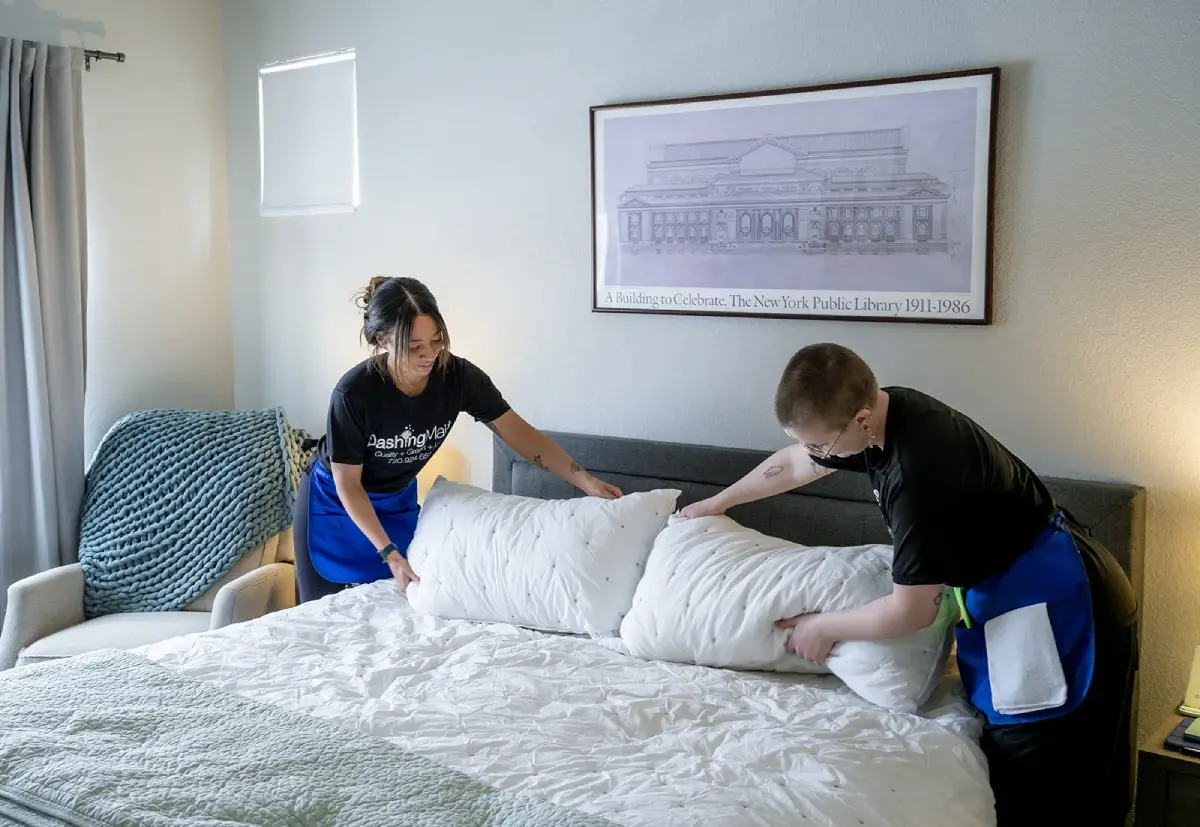
Tackling all of these zones in a large house can be overwhelming for one person. This is exactly why Dashing Maids utilizes a thoroughgoing, two-person team approach to execute this high/low division of labor. While one specialist addresses the crown molding and upper fixtures, the other systematically cleans the mid-levels and baseboards. This ensures easily-missed spots are addressed without compromising speed. If you are handling this yourself in the Denver metro area, scheduling a deluxe deep cleaning can bypass the physical strain of reaching these forgotten vertical spaces entirely.

Living Areas: Eliminating Airborne Triggers from Vents and Fans
The living room and family room are the primary gathering spaces in any home, making them the most critical areas to address before holiday visitors arrive. Because these rooms see the highest volume of daily activity, they also generate the most airborne debris. When the forced-air system kicks on, it pulls this debris directly into the HVAC return vents. Return vents are notorious dust traps. If left uncleaned, the grilles become caked with a thick layer of gray fuzz that chokes your system's airflow and continuously sheds particles back into the room. Vacuuming these grilles with a brush attachment is a mandatory first step.
Next, look up at the ceiling fan blades. Throughout the summer, these blades accumulate thick layers of greasy grime on their leading edges. When you reverse the fan direction to push warm air down for the winter, that accumulated debris is instantly flung across the room. A highly effective trick is to slide an old pillowcase over each blade, wiping the dust backward so it falls inside the fabric rather than onto your furniture.
Down at floor level, baseboards—especially those hidden behind heavy sofas and entertainment centers—require intense focus. Denver's high-altitude dry climate and low humidity, which often drops below 40 percent in the winter, drastically increase static electricity in the home. This static charge makes dust, pet hair, and synthetic carpet fibers cling stubbornly to vertical surfaces like door frames and baseboards. A simple dry sweep will not break this static bond; you must wipe these trim pieces with a slightly damp microfiber cloth to fully release the debris. If you want to understand the science behind this phenomenon, exploring how Denver's dry air impacts dusting techniques can completely change your approach to household upkeep in the Denver metro area.
Tackling Upholstery and Under-Furniture Zones
The final frontier in the living room involves the furniture itself. It is not enough to simply vacuum the open walkways. You must physically move heavy sofas, armchairs, and media consoles to access the flooring beneath them. These dark, undisturbed areas are prime breeding grounds for massive dust bunnies. Furthermore, use your vacuum's crevice tool to thoroughly detail the seams and crevices of upholstered furniture, where crumbs, pet hair, and dead skin cells hide completely out of sight.
The Kitchen Deep Dive: Moving Beyond Countertops and Sinks
The kitchen is the workhorse of the home, and it faces its heaviest usage during the November pre-holiday and heating season. Weekly wiping keeps the countertops sanitary, but heavy cooking generates aerosolized grease that floats through the air and settles on hidden surfaces, acting like a glue for airborne dust. In our experience detailing Denver kitchens, we recommend moving beyond the visible surfaces and targeting the hidden grime catchers to truly prepare for holiday hosting.
- The gap between the stove and countertops: This narrow chasm is a notorious trap for spills, crumbs, and hardened grease. Use a specialized flexible crevice brush or a butter knife wrapped in a damp cloth to scrape out the debris that has fallen down the sides of the appliance.
- The tops of upper cabinets: If your cabinetry does not reach the ceiling, the flat space on top is likely coated in a sticky mixture of cooking grease and dust. Because this layer is often tacky, dry dusting will not work. You must use a heavy-duty degreaser and a textured sponge to break down the buildup.
- Refrigerator coils and hidden flooring: Pulling the refrigerator away from the wall is essential. The condenser coils on the back (or underneath behind the kickplate) draw in massive amounts of dust, which forces the appliance to work harder and raises your energy bills. Vacuum these coils carefully, and then thoroughly mop the sticky, forgotten flooring beneath the unit.
- Dishwasher interior tracks: Open the dishwasher and inspect the bottom interior edges and the rubber seal around the door. Food particles and mineral deposits accumulate here, leading to foul odors. Scrub these tracks with an old toothbrush and a mixture of vinegar and baking soda.
- The garbage disposal gasket: The underside of the rubber splash guard in your sink drain is often coated in black sludge. Flip the rubber flaps upward and scrub the underside vigorously to eliminate the source of lingering kitchen smells.
Bathrooms: Scrubbing Forgotten Grout Lines and Exhaust Fans
Bathrooms require the most intensive sanitation of any room in the house. While toilets, sinks, and mirrors usually receive regular attention, several critical sanitary zones are frequently skipped during weekly wipe-downs. The most important of these is the bathroom exhaust fan. This vital piece of equipment pulls moisture out of the air to prevent mold growth, but its cover quickly becomes clogged with a cement-like mixture of damp dust and hairspray. To restore its efficiency, safely pull the plastic cover down (most are held by tension springs), vacuum the interior housing, and wash the cover in the sink before replacing it.
At floor level, the areas surrounding the toilet require meticulous detailing. The hidden space directly behind the toilet base, where the tank meets the wall, is difficult to reach and often harbors neglected dust and bacteria. Similarly, the hinges at the back of the toilet seat trap unsanitary liquids and require scrubbing with a small, stiff-bristled brush. In the Denver metro area, where homes are tightly insulated against the cold, lingering bacteria in these warm, enclosed spaces can quickly cause unpleasant odors.
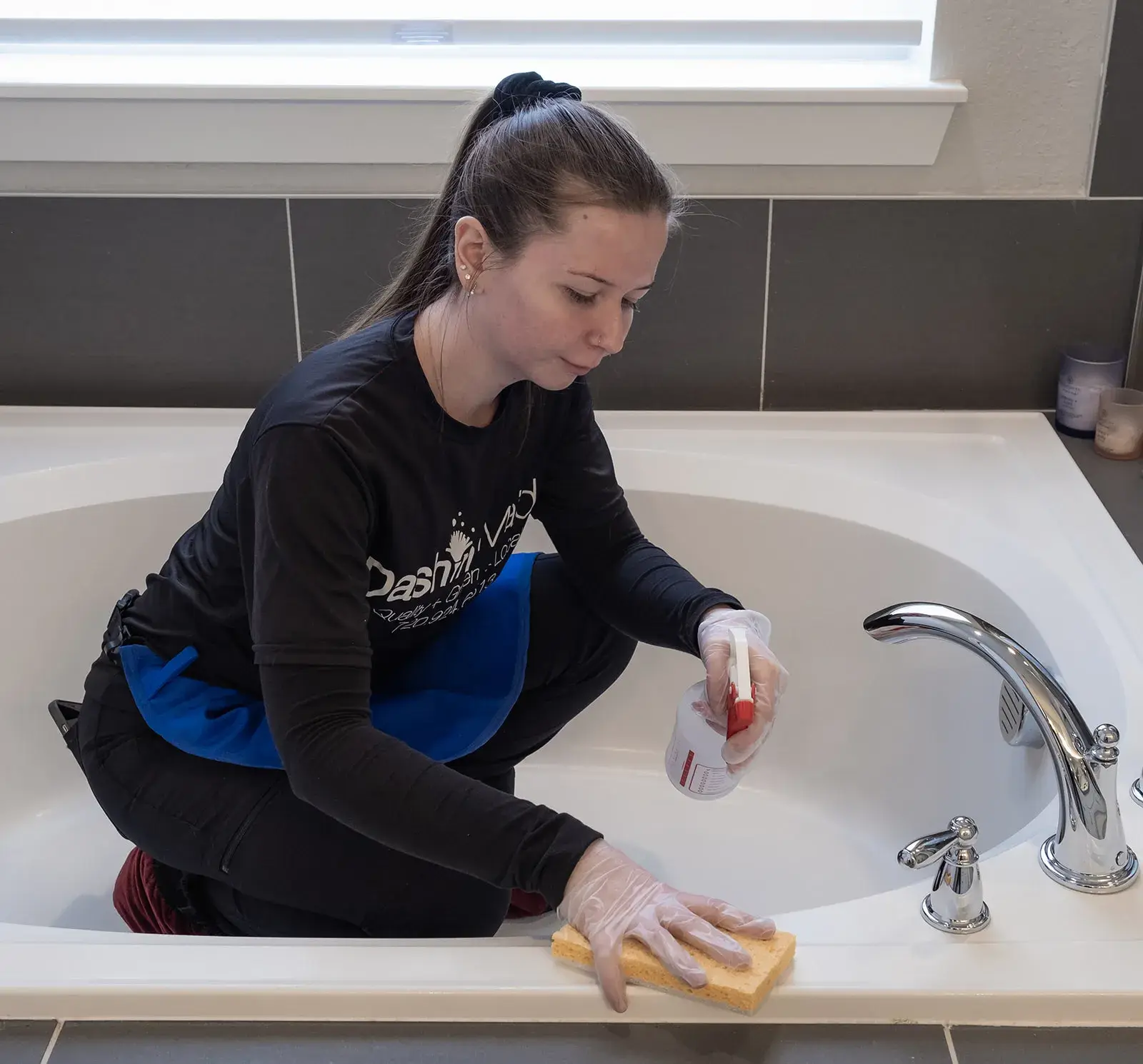
Next, evaluate the condition of your grout lines. The porous cement between your floor and shower tiles absorbs dirty mop water, soap scum, and hard water minerals over time. Pay special attention to the discolored grout lines along the baseboards and in the deep corners of the shower enclosure. Applying a specialized grout brightener and scrubbing vigorously will instantly lift the overall appearance of the room. Finally, do not forget to wipe down the dusty interior shelves of your medicine cabinets and use a mild acid to dissolve the hard water scaling hidden inside the tracks of sliding shower doors.
Bedrooms and Guest Spaces: Preparing for Holiday Visitors
When preparing bedrooms for overnight holiday guests, the goal is to create a serene, allergen-free environment that promotes restful sleep. Dust drastically impacts sleep quality, leading to morning congestion and irritated airways. The largest culprit in any bedroom is the vast, undisturbed space completely underneath the bed. Because airflow is restricted here, it acts as a massive accumulator for dust bunnies. You must use a long vacuum wand to reach the exact center of the floor beneath the frame, ensuring no debris is left behind to circulate while your guests sleep.
Look upward to address the vertical surfaces that rarely see a dusting wand. The tops of door frames, the upper edges of large picture frames, and the ledges of full-length mirrors collect a surprising volume of dust. Wiping these down ensures that when guests close the bedroom door, a shower of dust doesn't fall onto their luggage.
Storage spaces also require attention during the November pre-holiday and heating season. Clean inside the closets, paying particular attention to the floor corners and the upper shelving where seasonal winter clothes and extra blankets have been stored since last spring. These items often gather dust while sitting idle. Finally, take the time to wipe down the individual slats of window blinds and launder any heavy fabric curtains. Curtains act like giant air filters throughout the summer, absorbing dust and pollen that will immediately release into the room once the heating registers situated beneath the windows turn on. If your guest spaces are part of a smaller unit or condo, utilizing specialized apartment cleaning services can ensure these tight spaces are optimized for comfort.
Transition Zones: Hallways, Mudrooms, and Entryways
Transition zones are the arteries of your home. Hallways, mudrooms, and entryways see constant, high-volume foot traffic, meaning they act as the primary distribution channels carrying exterior dirt into your pristine living areas. If you neglect these spaces, the deep cleaning you performed in the bedrooms and living rooms will be undone in a matter of days.
Start by focusing on the touchpoints. Light switch plates and door handles harbor significant amounts of bacteria and sticky fingerprints. Sanitizing these small surfaces makes a massive difference in the overall hygienic feel of the house. Moving to the mudroom or entryway, you must deep clean the shoe storage zones. Dirt, dried leaves, and road salt accumulate quickly here. Shake out and wash all entryway rugs to ensure they can effectively stop dirt at the door before it tracks onto your hardwood floors or carpets.
In the hallways, look for architectural details that catch debris. Dust the tops of wainscoting, high decorative ledges, and hallway smoke detectors. Staircases also require a specialized approach. Standard upright vacuums cannot reach the tight 90-degree angles where the tread meets the riser. You must use a crevice tool or a stiff hand brush to sweep and mop the deep corners of staircases where dust and pet hair inevitably gather. Maintaining these transition areas is vital for long-term cleanliness in the Denver metro area, which is why incorporating them into a regular maintenance cleaning routine keeps the rest of the house looking pristine longer.
Frequently Asked Questions About Deep Cleaning Hidden Spaces
What are the most forgotten things to clean?
The most commonly overlooked areas are the ones outside our direct line of sight, such as HVAC return vents, the tops of door frames, baseboards hidden behind heavy furniture, and the leading edges of ceiling fan blades. Because we do not look at these surfaces daily, they can accumulate months of thick dust before being noticed. Addressing these spots is crucial for improving indoor air quality, especially in the Denver metro area where homes are sealed tightly against the cold.
What order should you deep clean a room?
Always clean a room using a strict top-to-bottom and dry-to-wet methodology. Start by dry dusting the highest points in the room, like ceiling fans and crown molding, allowing gravity to pull any loose debris down to the floor. Once all airborne dust has settled, you can move on to wiping mid-level surfaces with damp cloths, and finally, finish by vacuuming and mopping the floors so you never re-soil a clean area.
What is included in a true deep house cleaning?
A true deep clean goes far beyond the standard weekly chore list of wiping counters and vacuuming open rugs. It involves physically moving heavy furniture to clean beneath it, meticulously detailing baseboards, scrubbing discolored grout lines with specialized brushes, and cleaning the hidden interiors of major appliances. The goal is to address the accumulated grime that regular maintenance wiping simply cannot remove.
How do you deep clean a messy house room by room?
The key to tackling a messy house without becoming overwhelmed is to declutter completely before you attempt to clean any surfaces. Once the clutter is removed, apply a systematic high-to-low cleaning checklist to one single room at a time, finishing it completely before moving to the next. This focused, compartmentalized approach ensures you see immediate progress and prevents you from leaving half-finished projects scattered throughout the home.
How often should hidden spots be deep cleaned?
Hidden spots like upper cabinet ledges, under-bed flooring, and exhaust fans should ideally be deep cleaned twice a year. However, placing a strong emphasis on completing these tasks during the transition into the winter heating season is particularly important. Clearing these spaces before the furnace turns on prevents months of accumulated summer dust from being continuously recirculated through your sealed home.
Enjoy a Guest-Ready Home Without the Pre-Holiday Stress
Tackling the hidden dust in your home is about much more than passing a white-glove test; it is about significantly improving your indoor air quality and making holiday hosting far more enjoyable. As we enter the November pre-holiday and heating season, removing the dander and debris trapped behind furniture and inside vents ensures your living spaces feel fresh, welcoming, and comfortable for everyone who walks through the door.
Remember that applying a methodical, top-to-bottom approach saves you hours of repetitive work and prevents the frustration of re-soiling freshly cleaned floors. By targeting the specific zones where dry winter dust hides, you eliminate the source of the problem rather than just treating the symptoms. For homeowners who want the flawless results of a comprehensive detailing without enduring the intensive physical labor, bringing in a professional team allows you to step back, relax, and focus entirely on enjoying the upcoming season with your guests.
Ready to come home to calm?
Get a free, no-obligation quote and see why Denver trusts Dashing Maids for eco-friendly, no-contract cleaning.
Call or request a quote · Mon–Fri: 9:00 AM – 5:00 PM · Denver, CO