
Move-Out Cleaning Checklist: What Landlords Actually Inspect
What Denver-area landlords actually check at the final walkthrough — appliance interiors, grout, window tracks — and how to protect your deposit.
At a move-out inspection, your landlord is really asking one question: how much work will it take to hand this home to the next tenant? They compare the property against the move-in report you both signed, and they look hardest at the places daily cleaning never touches. Knowing that list ahead of time is the difference between a full deposit return and an itemized deduction letter.
What do landlords check first?
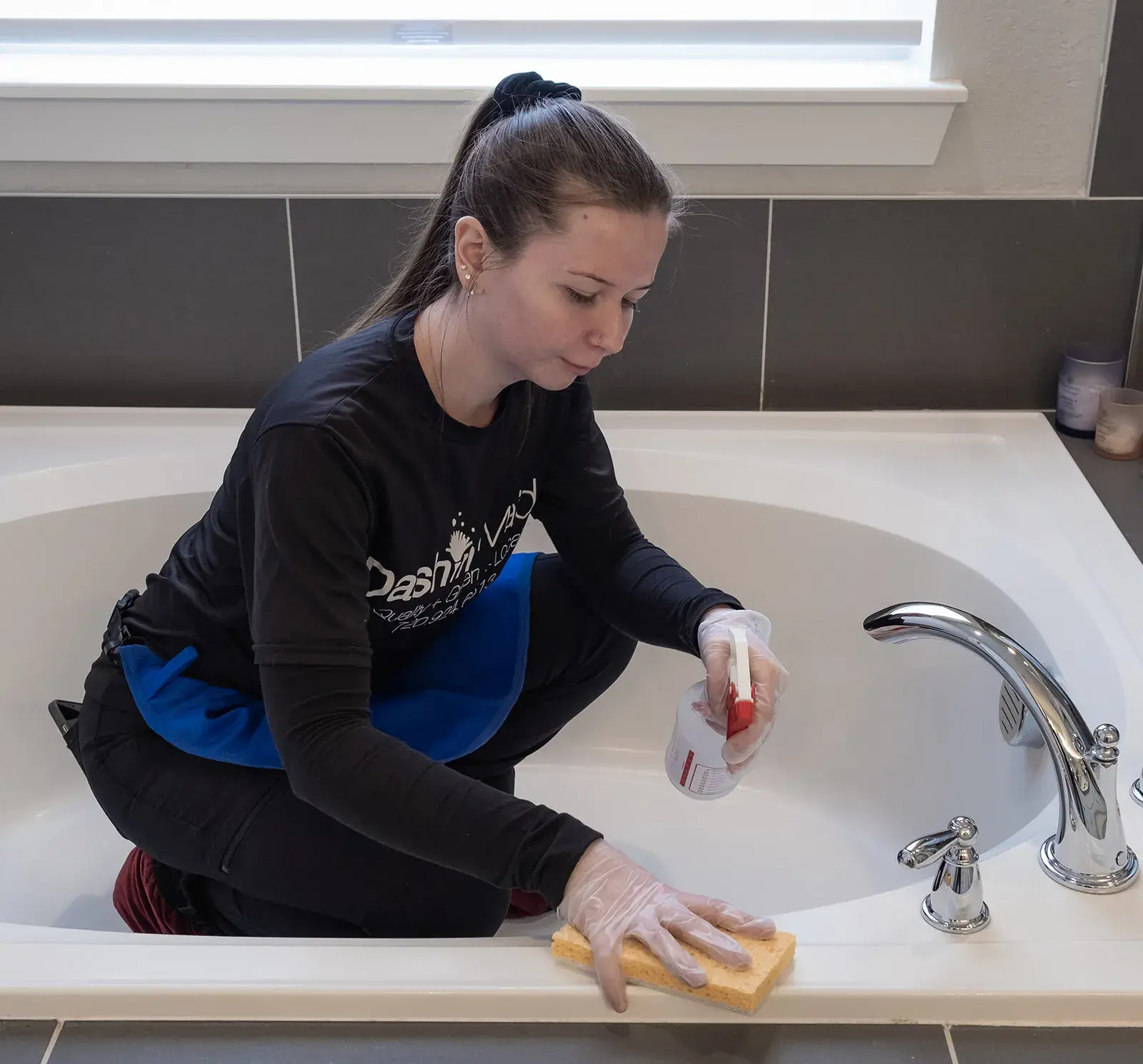
The kitchen and bathroom, almost always. In the kitchen they open the oven and look for baked-on grease, pull the refrigerator to check for spills and scuffs behind it, and run a hand inside cabinets and drawers for crumbs. In the bathroom the focus is moisture: mildew in grout, soap scum on shower glass, the condition of the caulk, and the base and back of the toilet. A shiny stovetop does not save you if the oven interior tells a different story.
Which small items cause the most deductions?
The nickel-and-dime charges usually come from things that were never part of your cleaning routine:
- Window tracks and sliding-door rails — landlords almost always run a finger through them
- The tops of ceiling fan blades, door frames, and kitchen cabinets
- Burnt-out light bulbs and dusty HVAC filters
- Smoke and carbon monoxide detector batteries
- Dishwasher and washing machine door gaskets
Our room-by-room deep cleaning checklist covers most of these spots — a move-out clean is essentially a deep clean of an empty home, plus documentation.
What counts as damage versus normal wear and tear?
Landlords cannot charge for the ordinary decline that comes with living somewhere: faded paint, small nail holes, lightly worn carpet in hallways. They can charge for negligence and accidents — large wall holes, pet stains, burns, deep gouges in flooring. The gray area is dirt. Grime a landlord could call “damage” usually reads as normal wear once it is professionally cleaned away, which is why a thorough move-out clean protects you even in disputes.
How do you prove you left it clean?
Document everything. Once the home is empty and cleaned, photograph every room — including the inside of the oven, the fridge, and the shower — and shoot one continuous walkthrough video. If your landlord offers a pre-move-out walkthrough, take it; catching a problem while you still have keys is far cheaper than disputing it afterward. A receipt from a professional cleaning company is powerful evidence too: it is hard to argue with a documented professional standard.
This is exactly what our move-out cleaning is built for. We clean the spots on every landlord’s list with eco-friendly, non-toxic products — no harsh chemical smell greeting the next tenant — and we leave you the receipt. It is especially popular in high-turnover rental markets like Golden, where landlords want units back on the market fast. And if you are settling into the next place rather than leaving one, a move-in cleaning gives you the same reset from the other side.
Not sure whether you need one big clean or ongoing help after the move? We compare the two in one-time deep clean or recurring service. Or skip the deliberation and get a move-out quote — we will make sure the walkthrough goes your way.
By the Dashing Maids editorial team · Last updated July 2026
Ready to come home to calm?
Get a free, no-obligation quote and see why Denver trusts Dashing Maids for eco-friendly, no-contract cleaning.
Call or request a quote · Mon–Fri: 9:00 AM – 5:00 PM · Denver, CO